John Lawson McInnis III
H. P. Lovecraft scholar, literary critic, and professor of English
May 22, 1941 – February 7, 2013
From the early 1970s onward, McInnis pursued a sustained study of H. P. Lovecraft. His scholarship combined close textual analysis with biographical, psychological, mythological, and archival approaches, with particular attention to family history and paternal imagery in Lovecraft's fiction.
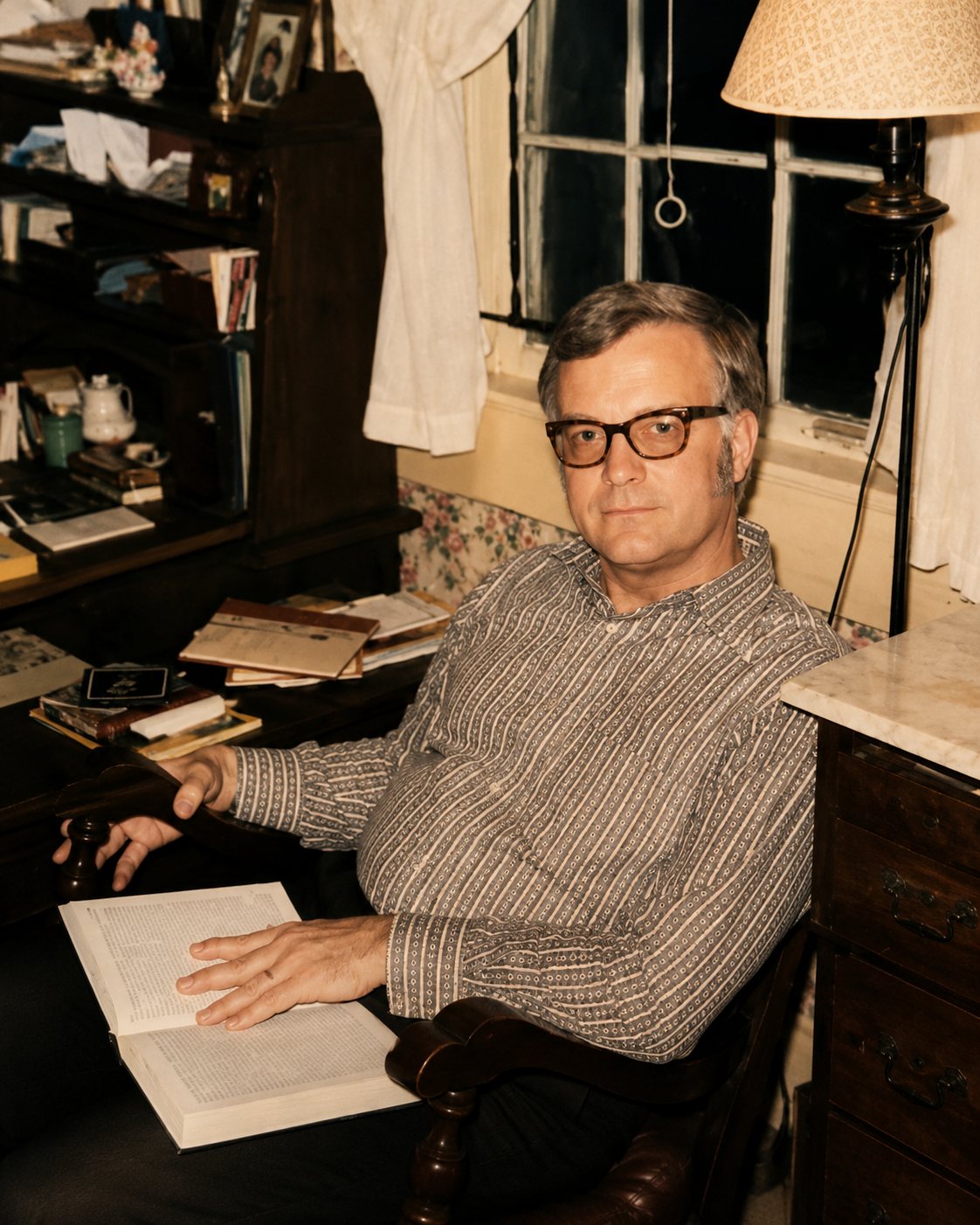
Life and academic career
John Lawson McInnis III was born in Morgantown, West Virginia, and raised in Louisiana. He studied English at Southern Methodist University and Louisiana State University, earning his Ph.D. in English from LSU in 1975.
His teaching career included positions at Mansfield High School, Northwestern State College, and Texas A&M University before he joined the English faculty at Northeast Louisiana University in 1969. He remained there for the rest of his academic career as the institution became the University of Louisiana at Monroe.
Alongside his teaching, McInnis pursued a sustained program of scholarship on H. P. Lovecraft, publishing and presenting work on Lovecraft's fiction, biography, family history, and psychological imagery. He died in Monroe, Louisiana, on February 7, 2013.
H. P. Lovecraft: The Maze and the Minotaur
McInnis's two-volume LSU dissertation is an early doctoral study devoted entirely to Lovecraft. McInnis registered the copyright for the two-volume dissertation with the U.S. Copyright Office in 1975 (Registration No. A685548). Its chapters move from biography and the maze–Minotaur pattern through Lovecraft's apprenticeship, maturity, artistic harvest, and final synthesis.
The maze is the path toward chaos and the Minotaur is the chaos behind appearances, within the artist's mind and throughout the physical universe. McInnis reads Lovecraft's fiction as a changing effort to enter that maze and then consolidate an “island of order” against it.
That formulation comes from the dissertation's own abstract and introduction. It combines myth criticism, psychological interpretation, readings of Lovecraft's letters, and close analysis of stories from “The Tomb” through “In the Walls of Eryx.”
Pagination and later assessment
The dissertation's contents paginate the preliminary matter through xviii and the vita through page 406. S. T. Joshi's 1981 bibliography likewise records xviii + 406 pages; the LSU repository page currently reports 426 pages, while the repository reproduction examined for this archive contains 429 PDF pages. These numbers describe different layers of pagination and reproduction rather than a single settled total.
Joshi characterized it as an “extensive philosophical and psychological study,” while criticizing the weight placed on the maze in “In the Walls of Eryx” after Kenneth Sterling said the invisible maze originated with him rather than Lovecraft. That criticism remains part of the work's scholarly record.
View the official LSU repository record and authorized download.
Published Lovecraft scholarship
- 1972“Notes on Researching Lovecraftiana”A practical survey of rare books, library holdings, photocopy access, and research methods. Contemporary Louisiana newspaper coverage documented the article’s publication in April 1972 and connected it to McInnis’s ongoing dissertation research on Lovecraft.
- 1975H. P. Lovecraft: The Maze and the MinotaurA mythological, philosophical, psychological, thematic, and structural reading organized around maze, Minotaur, chaos, and order.Read the dissertation at the LSU Scholarly Repository.
- 1979“Two Views of St. Armand's Lovecraft”McInnis praises Barton Levi St. Armand's archetypal and psychological reading of “The Rats in the Walls,” especially its treatment of the rational/irrational divide and the symbolism of viscosity.
- 1982“Lovecraft and ‘The Dunwich Horror.’”Documented in Donald M. Hassler, ed., Patterns of the Fantastic (Starmont House, 1983), p. 104. That page is the published academic-program record, not a publication of the paper itself.
- 1985“H. P. Lovecraft's Immortal Culture”McInnis argues that Lovecraft used “The Dunwich Horror” to preserve classical and Teutonic cultural inheritances against time, change, and cosmic chaos.
- 1987“Images of Lovecraft’s Father in ‘The Colour out of Space.’”A surviving authorial typescript with extensive revisions and endnotes is preserved in the family archive.
- 1990“Father Images in Lovecraft's ‘Hypnos’”McInnis proposes that “Hypnos” encodes fragments of Lovecraft's early experience of Winfield Scott Lovecraft's illness. The article compares story imagery with historical psychiatric literature and explicitly frames the reading as a hypothesis.
- 1990“‘The Colour out of Space’ as the History of H. P. Lovecraft’s Immediate Family.”McInnis reads the Gardner family's decline alongside the Phillips family's losses, Lovecraft's 1926 return to ancestral places, and memories associated with his father's illness.
- 1991–92“An Autobiographical Study of ‘The Colour out of Space’”An expanded, documented version of the family-history reading, drawing on Lovecraft's letters, genealogy, medical history, Butler Hospital material, and the geography of the Phillips family's ancestral landscape. Contemporary reports from 1991 and 1993 document publication and acceptance activity for differently titled “Colour out of Space” essays in Books at Brown; they do not resolve the issue’s 1991–92 dating against its 1995 publication statement.
- 1992/95“The Call of Cthulhu: An Analysis”McInnis argues that Professor George Gammell Angell combines traits and names associated with Providence intellectual and institutional figures, and that the story carries disguised adult and childhood memories. Texas A&M's database indexes the item as Fall 1992 and pp. 268–281; the surviving copy examined for this archive places unrelated poetry on p. 281.
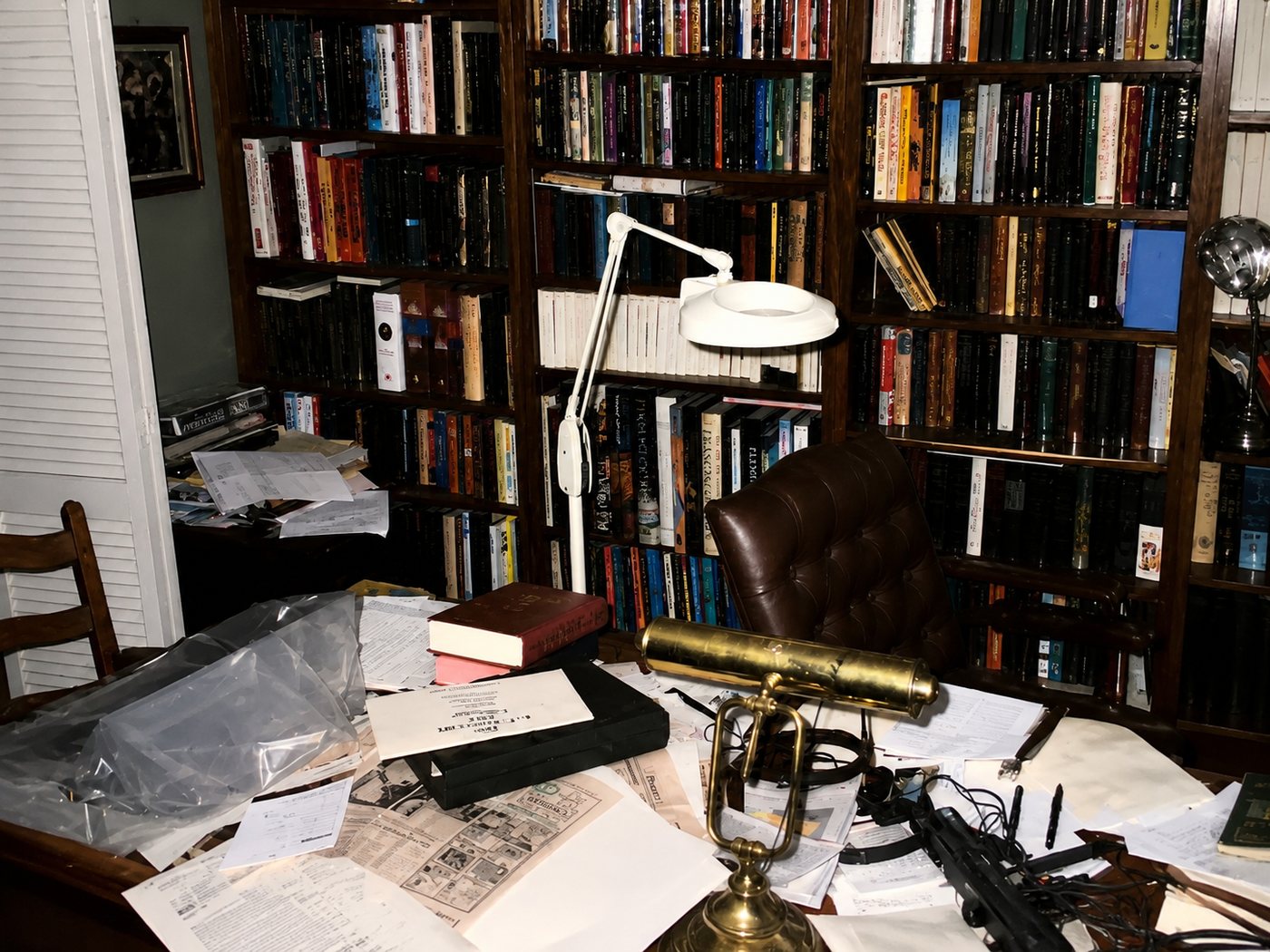
Texas A&M University Libraries’ Science Fiction and Fantasy Research Database independently indexes McInnis’s dissertation and multiple Lovecraft publications under a dedicated author record.
Winfield Scott Lovecraft and family history
McInnis's published papers show a research program that moved beyond thematic comparison. “Father Images in Lovecraft's ‘Hypnos’” and “The Call of Cthulhu: An Analysis” cite historical psychiatric literature, Lovecraft's letters, Providence institutional history, and medical-record research. “An Autobiographical Study of ‘The Colour out of Space’” cites a Butler ledger and an annotated account of Winfield Scott Lovecraft's medical record.
His central proposal was cautious in form even when ambitious in scope: some stories might function as coded narratives of remembered or unconsciously retained experience. In the “Hypnos” essay, he explicitly called this a hypothesis; in the expanded “Colour” study, he built the case through family chronology, place, illness, and textual correspondence.
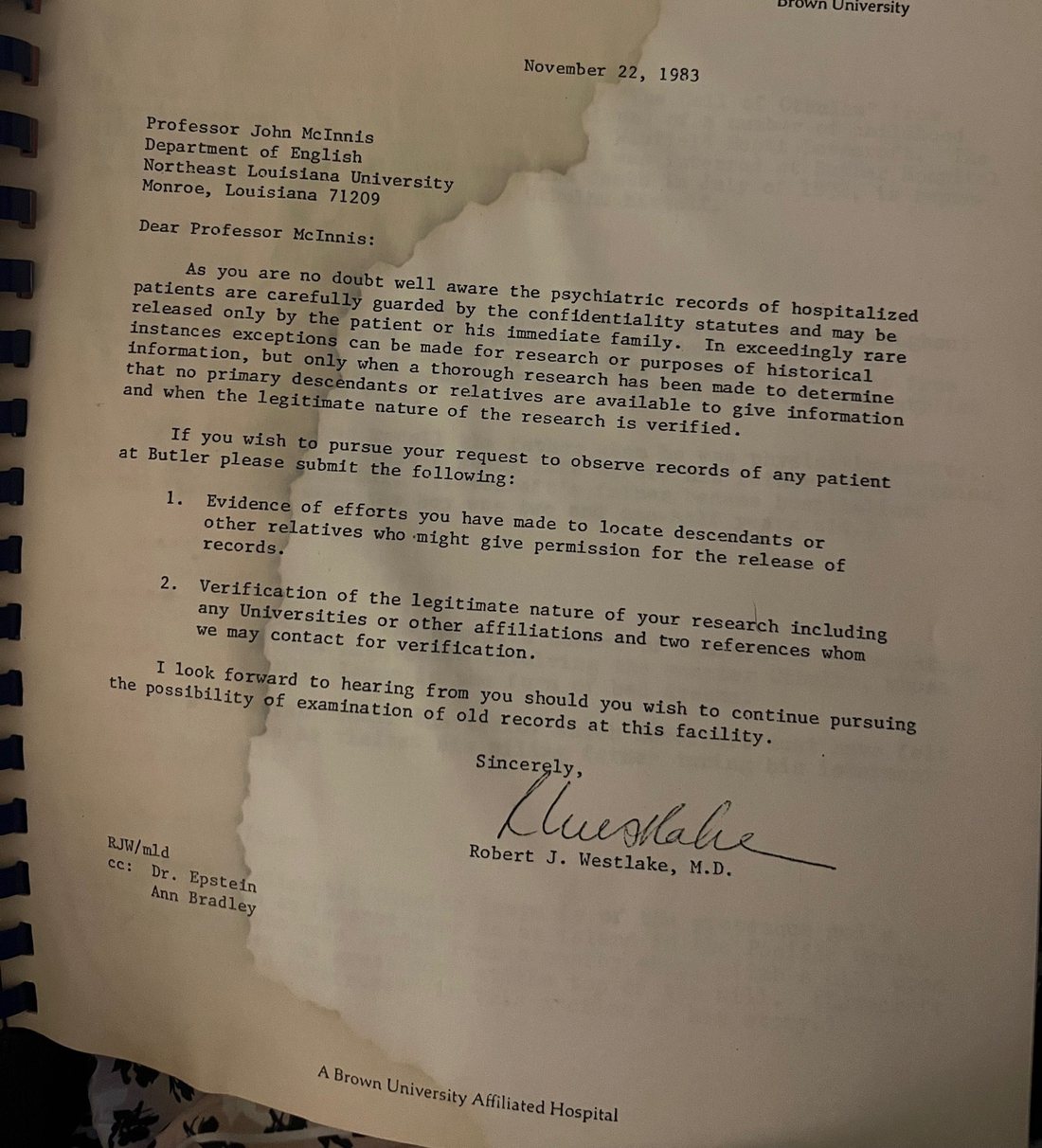
Butler Hospital correspondence, 1983–84
Surviving primary correspondence documents the steps McInnis took to seek historically responsible access to records concerning Winfield Scott Lovecraft. It establishes a request, an institutional review process, academic validation, and McInnis's later reference to examining the records; it does not establish access beyond what the letters themselves state.
Robert J. Westlake, M.D., Butler Hospital's assistant medical director and an associate professor of psychiatry at Brown University, explained that rare historical-research exceptions required efforts to locate descendants or relatives, verification of the research's legitimate nature, university affiliation, and two academic references.
Writing on Northeast Louisiana University Department of English letterhead, McInnis corresponded with Westlake; Robert C. Harrall, executor of the H. P. Lovecraft estate; Donald M. Hassler; Lewis P. Simpson; and John H. Stanley of Brown's John Hay Library. The letters show him seeking permission and independent academic validation for his proposed use of the Winfield Scott Lovecraft records.
McInnis thanked Westlake “for your help concerning my examination of the medical records of Winfield Scott Lovecraft,” stated that he expected to be in Providence May 13–19, and noted Westlake's referral to Butler Hospital medical records librarian Ann Bradley.

M. Eileen McNamara's “Winfield Scott Lovecraft's Final Illness” in Lovecraft Studies no. 24 later acknowledged McInnis's prior interpretation of the Gardner family's slow decline. That is a later scholar's recognition of his argument, not evidence that every part of the argument was accepted or settled.
Conferences and academic exchange
McInnis developed this research through published work, conference papers, and exchange with other scholars. Surviving records verify the following appearances without treating them as a complete conference record.
Chicon IV
McInnis presented “Lovecraft and ‘The Dunwich Horror’” in “Death and the Serpent (Session V).” The published academic-program record appears in Patterns of the Fantastic, p. 104.
Popular Culture Association
Surviving descriptions report a Lovecraft paper; the paper itself has not been located in the materials examined for this archive.
Science Fiction Research Association
Presentation on images of Lovecraft's father in “The Colour Out of Space.”
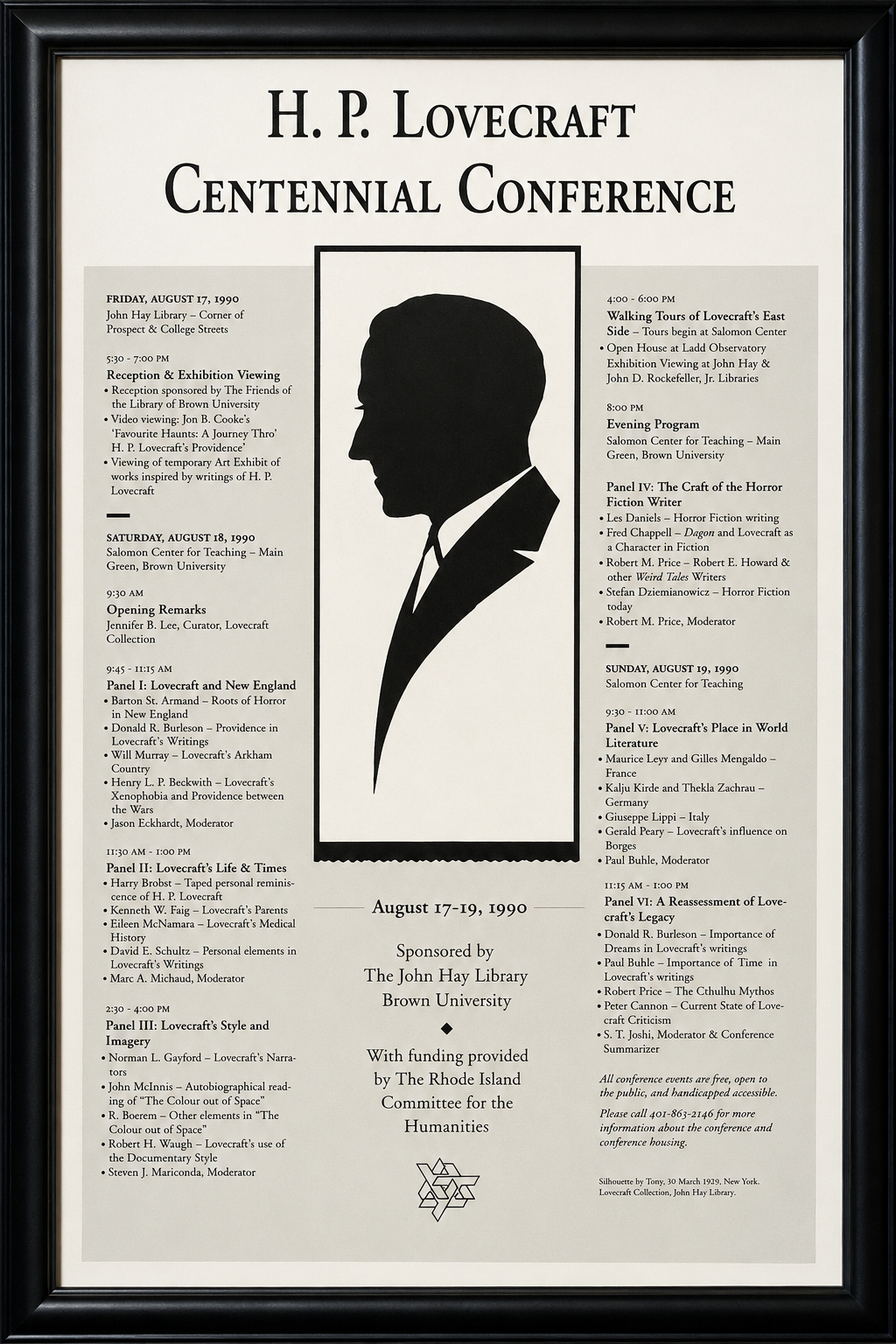
H. P. Lovecraft Centennial Conference
McInnis presented “‘The Colour out of Space’ as the History of H. P. Lovecraft’s Immediate Family” on Panel III, “Lovecraft’s Style and Imagery,” at Brown University. The paper was published in The H. P. Lovecraft Centennial Conference: Proceedings, pp. 35–37.
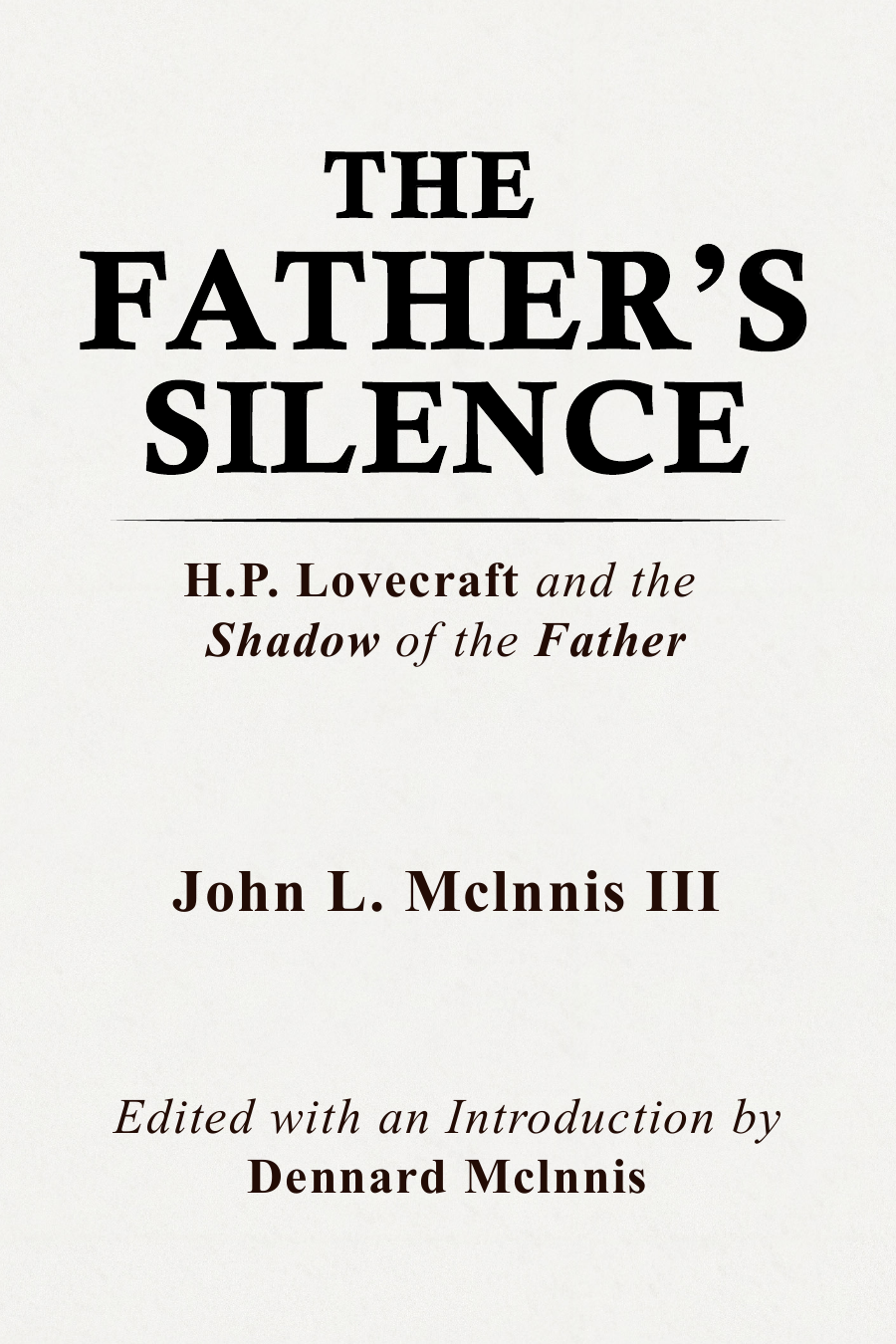
The Father's Silence
The Father's Silence: H. P. Lovecraft and the Shadow of the Father is a posthumous collection of John Lawson McInnis III's Lovecraft scholarship, edited with an introduction by his son, Dennard McInnis. The 2026 volume brings together work on paternal imagery, family decline, biography, and textual interpretation while preserving the distinction between archival fact and interpretive claim.
The Father’s Silence brings together published and previously unpublished Lovecraft scholarship by McInnis. Several chapters preserve revised or expanded authorial versions of earlier articles, incorporating material not present in their original journal publication.
Dennard McInnis appears here as editor and family steward, not as the subject of the scholarship. The H. P. Lovecraft Archive provides the current bibliographic listing; Amazon is linked only as the purchase record.
Collections and scholarly record
Louisiana State University Libraries
An April 8, 2026 gift agreement records the donation of one copy of The Father's Silence and a recently printed copy of H. P. Lovecraft: The Maze and the Minotaur, volumes I and II. The agreement states that LSU Libraries will catalog, preserve, and provide access according to its customary practices.
University of Louisiana at Monroe
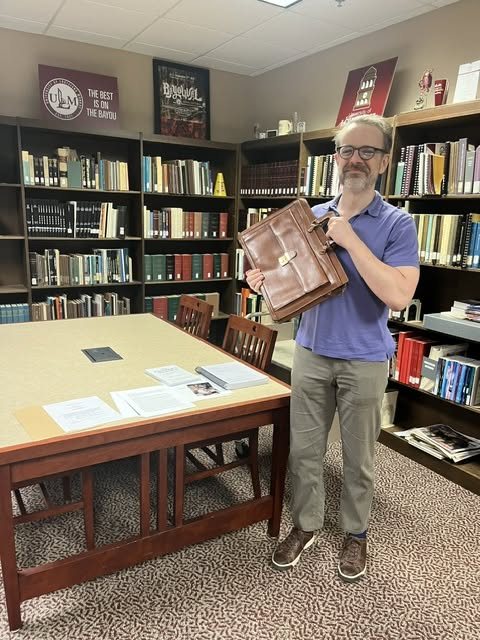
In 2026, ULM Special Collections and Archives accepted a focused collection documenting McInnis's scholarship, including The Father's Silence, a bound copy of his dissertation, selected papers and published articles, and research correspondence. University catalogs separately document McInnis's faculty position and degrees.
Southern Methodist University Archives
A donation agreement received by the university archivist on March 30, 2026 documents the donation of The Father's Silence and a photograph of John L. McInnis III to SMU University Archives.
Texas A&M · Cushing Memorial Library
On April 3, 2026, curator Jeremy Brett confirmed receipt of The Father's Silence for Texas A&M’s Science Fiction Collection; a Cushing deed of gift identifies the book as accession 2026_0056. Independently of that 2026 donation, Texas A&M University Libraries’ Science Fiction and Fantasy Research Database maintains a dedicated author record for John McInnis, indexing his dissertation and multiple published studies of H. P. Lovecraft.
Brown University · John Hay Library
Brown is documented here as a historical research and conference relationship: McInnis corresponded with John Hay Library Special Collections, presented at the library-sponsored 1990 Centennial Conference, and published the expanded “Colour out of Space” study in Books at Brown.
Recognition without overstatement
McInnis's work was annotated by S. T. Joshi, indexed in specialist bibliographies and Texas A&M's research database, and referenced by later Lovecraft scholars. These records establish participation in the scholarly conversation; they do not justify claims of universal acceptance, priority, or definitive status.
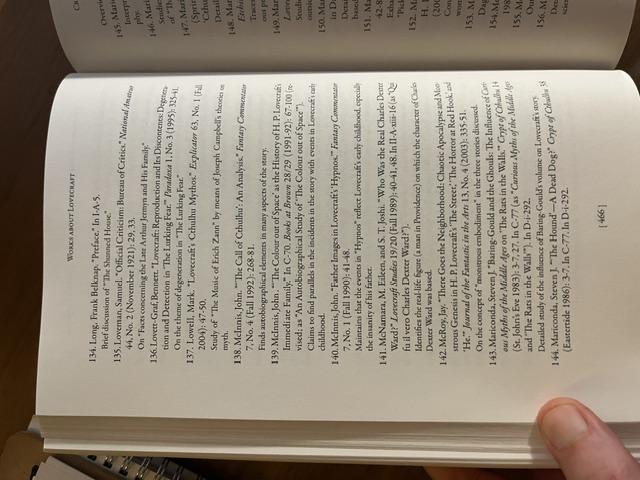
S. T. Joshi’s 2009 H. P. Lovecraft: A Comprehensive Bibliography indexes McInnis in nine references across five areas of classification: books and pamphlets about Lovecraft, general studies, studies of individual stories, special topics, and academic papers. Several entries do more than list his work; Joshi summarizes McInnis’s specific interpretive arguments without necessarily endorsing them.
Three consecutive entries document McInnis’s analyses of “The Call of Cthulhu,” “The Colour out of Space,” and “Hypnos,” while separate entries document his dissertation, early research guidance, collaboration with Donald R. Burleson, Centennial Conference work, and study of Lovecraft’s fascination with ancient Rome.
S. T. Joshi described The Father’s Silence as a “notable contribution to scholarship” and characterized McInnis’s Lovecraft papers from the 1980s and 1990s as “valuable.” He also noted McInnis’s 1975 Ph.D. dissertation, H. P. Lovecraft: The Maze and the Minotaur.
In a 1997 review in Extrapolation, Donald M. Hassler recalled McInnis’s 1985 contribution to Death and the Serpent as “an interesting essay” and noted that McInnis had also been conducting original research into Lovecraft’s medical records. Writing after losing contact with McInnis, Hassler wondered whether that research had ever come to fruition.
In 2016, Corey R. Walden drew on McInnis’s H. P. Lovecraft: The Maze and the Minotaur framework in the peer-reviewed PopCAANZ proceedings, using McInnis’s concept of “Minotaural chaos” in an analysis of changing patterns of order and annihilation across Lovecraft’s fiction.
Texas A&M's research database indexing is distinct from physical collection ownership; physical ownership of the dissertation by Texas A&M is not asserted here.
Selected sources and archive method
- Louisiana State University, “H. P. Lovecraft: the Maze and the Minotaur. (Volumes I and II).”
- University of Louisiana at Monroe undergraduate catalog, 2005–06, faculty listing.
- Texas A&M University Libraries, Science Fiction and Fantasy Research Database.
- Hassler, Donald M., ed. Patterns of the Fantastic. Starmont House, 1983. Academic Program at Chicon IV, p. 104.
- The H. P. Lovecraft Centennial Conference: Proceedings. McInnis paper, pp. 35–37.
- Books at Brown, vols. 38–39, bibliographic listing and repository guidance.
- The Father's Silence, H. P. Lovecraft Archive bibliographic listing.
- S. T. Joshi, H. P. Lovecraft and Lovecraft Criticism: An Annotated Bibliography (Kent State University Press, 1981).
- Joshi, S. T. H. P. Lovecraft: A Comprehensive Bibliography. Tampa: University of Tampa Press, 2009. ISBN 978-1-59732-069-6. Relevant entries include III.C.89.e and III.D.iii.138–140.
- Hassler, Donald M. “H. P. Lovecraft: A Life.” Extrapolation 38, no. 3 (Fall 1997): 236+.
- Walden, Corey R. “Weird Tales and Monstrous Subversions: Comparing the Mythic Cycle and H. P. Lovecraft’s Cthulhu Mythos.” Peer Reviewed Proceedings of the Popular Culture Association of Australia and New Zealand (2016): 79–87.
- Hoefler, Eric. Lovecraft Rising: Tracing the Growth of Scholarship on Howard Phillips Lovecraft, 1990–2004. 2006. Its Selected List of Works Consulted includes McInnis’s 1985 essay.
- Contemporary newspaper coverage: Morning World (Monroe), April 18, 1972; The Times (Shreveport), April 19, 1972; Minden Press-Herald, June 24, 1987; The News-Star (Monroe), June 25, 1987; contemporary coverage of the 1990 H. P. Lovecraft Centennial Conference; The News-Star (Monroe), November 17, 1991; and Minden Press-Herald, August 5, 1993.
- Original-publication and later-copy scans of eight McInnis writings examined for this archive. These archival copies are not offered for download here.
About this scholarly archive
This page documents the life and scholarship of John Lawson McInnis III (1941–2013), professor of English and scholar of H. P. Lovecraft. The archive is maintained by his son, Dennard McInnis, editor of The Father's Silence.
Source policy: contemporary primary records and original publication scans take priority. Institutional catalogs and scholarly bibliographies are used to verify or contextualize them. Family-created summaries are not presented as McInnis's own claims. Unresolved conflicts remain visible in the notes.